
Water from the kitchen tap is part of almost every calm home routine.
It fills the kettle in the morning and the pasta pot at night.
Most of the time we never think about where it has traveled.
In some homes, though, the pipes and fixtures along the way can add lead to the water.
You cannot see, taste or smell it, which is why it is easy to overlook.
The good news is that a few simple habits reduce the risk.
This guide explains how lead gets into tap water and what you can do, step by step.
It draws on guidance from the Environmental Protection Agency.
How Lead Gets Into Tap Water
Lead usually does not come from the water source itself.
The EPA explains that lead enters drinking water when plumbing materials containing lead corrode.
Corrosion is the slow wearing away of metal through a chemical reaction between water and plumbing.
It happens more where water is more acidic or has a low mineral content.
The most common sources are lead pipes, faucets and fixtures.
In homes with a lead service line, that pipe is typically the biggest source.
The service line is the pipe that connects a home to the water main under the street.
The EPA notes that lead pipes are more likely in older cities and in homes built before 1986.
In homes without lead service lines, brass or chrome-plated brass faucets and lead solder are the most common problem.
Why It Matters
The EPA and the Centers for Disease Control and Prevention agree there is no known safe level of lead in a child's blood.
Young children, infants and fetuses are especially vulnerable.
The EPA explains that a dose with little effect on an adult can have a significant effect on a child.
Lead can also harm adults over time.
Drinking water is only one of several possible sources of lead in a home.
Even so, the EPA estimates it can make up 20 percent or more of a person's total exposure.
For infants who drink mostly mixed formula, that share can reach 40 to 60 percent.
If you have health concerns, talk with your doctor or your local health department.
First, Learn About Your Water
A calm plan starts with information.
The EPA requires community water systems to send customers a yearly water quality report.
It is called a Consumer Confidence Report.
Contact your water utility if you would like a copy of the latest one.
If your water comes from a private well, the EPA suggests checking with your health department instead.
Nearby water utilities that use ground water may also have useful information.
Find Out If You Have a Lead Service Line
Knowing what your service line is made of is one of the most useful facts you can have.
The EPA suggests asking your water utility first.
If the utility does not know, a licensed plumber may be able to help.
The EPA also offers a step-by-step online guide called Protect Your Tap.
It helps you look for lead pipes in your own home.
Have Your Water Tested
Since lead in water is invisible, the EPA explains that testing is the only sure way to know.
Your water utility may test it or point you to a laboratory.
Your state or local drinking water authority can also provide a list of certified labs.
The EPA notes that testing typically costs between $20 and $100.
Follow the lab's instructions carefully when you collect the sample.
Use Only Cold Water for Drinking and Cooking
This is one of the simplest habits on the list.
The EPA advises using only cold water for drinking, cooking and making baby formula.
The EPA's guide to reducing lead exposure at home explains why.
Warm or hot water can cause more lead to enter the water from pipes and fixtures.
If you need hot water for cooking, start with cold water and heat it on the stove.
The EPA also points out that boiling water does not remove lead.
Run the Tap Before You Drink
Water that sits in pipes for hours can pick up more lead.
The EPA notes that the longer water sits in pipes, the more lead it may contain.
Before drinking, flush the pipes by running water through them.
Running the tap is one way to do it.
Taking a shower, doing laundry or running the dishwasher also moves fresh water through the pipes.
How long to run the water depends on your home and your service line.
The EPA suggests asking your water utility for flushing times in your community.
A calm morning habit is to fill a pitcher after the shower or dishwasher has run.
Keep it in the refrigerator for drinking water during the day.
Clean the Faucet Aerator
Most kitchen and bathroom faucets have a small screen at the tip.
It is called an aerator.
The EPA explains that sediment, debris and lead particles can collect in it.
If lead particles are caught there, lead can get into your water.
The EPA recommends cleaning the aerator regularly.
On most faucets it unscrews by hand or with a little help from a cloth and pliers.
Rinse out the screen and small parts, then screw it back on.
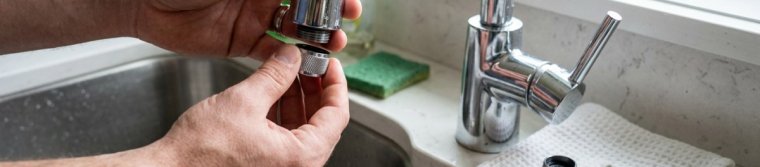
Add it to a monthly cleaning routine, along with wiping the sink and faucet.
Choose and Use a Filter Properly
A filter can reduce lead in drinking water.
The EPA advises choosing one that is certified to remove lead.
Certification comes from an accredited third-party organization, so check the packaging.
The EPA also offers a consumer tool to help identify certified pitcher and faucet filters.
Once you have a filter, using it correctly matters as much as choosing it.
- Read the directions for installing and using the cartridge.
- Replace the cartridge on time, since an expired one removes less lead.
- Do not run hot water through the filter.
A note on the calendar for the next cartridge change makes this easy to remember.
Watch for Nearby Construction
Work on streets and water mains can affect older pipes.
If you have a lead service line, the EPA advises paying attention to nearby construction or maintenance.
Ground vibrations can suddenly release more lead from lead service lines in the area.
During that work, take extra care with flushing and filtering.
Your water utility may also share specific advice for your street.
Bathing and Showering
Many people wonder whether bathing is a concern.
The EPA explains that bathing and showering should be safe, even if the water has lead above the action level.
Human skin does not absorb lead in water.
The focus is on water that is swallowed, such as drinking water and water used in cooking.
A Calm Water Routine
Putting it together, a simple routine might look like this.
- Every day: use only cold water for drinking and cooking, and flush the pipes first.
- Every month: clean the faucet aerators.
- As directed: change the filter cartridge.
- Once a year: read your water quality report.
- Once: learn what your service line is made of, and test your water.
A Gentle Way to Begin
You do not need to do everything this week.
Start with the easiest habit: drink and cook with cold water only.
Next, unscrew and rinse the kitchen faucet aerator.
Then call your water utility to ask about your service line and testing.
Each small step adds a little more calm to the glass of water on your table.
Sources and Further Reading
- Environmental Protection Agency: Basic Information about Lead in Drinking Water — how lead enters water, who is most vulnerable, water quality reports, testing costs, bathing, and steps to reduce lead.
- Environmental Protection Agency: Reduce the Risk of Lead Exposure at Home — using cold water, running the tap, cleaning the aerator, certified filters, service lines and nearby construction.